Cooking with Seasonal BC Ingredients: Easy Recipes to Try
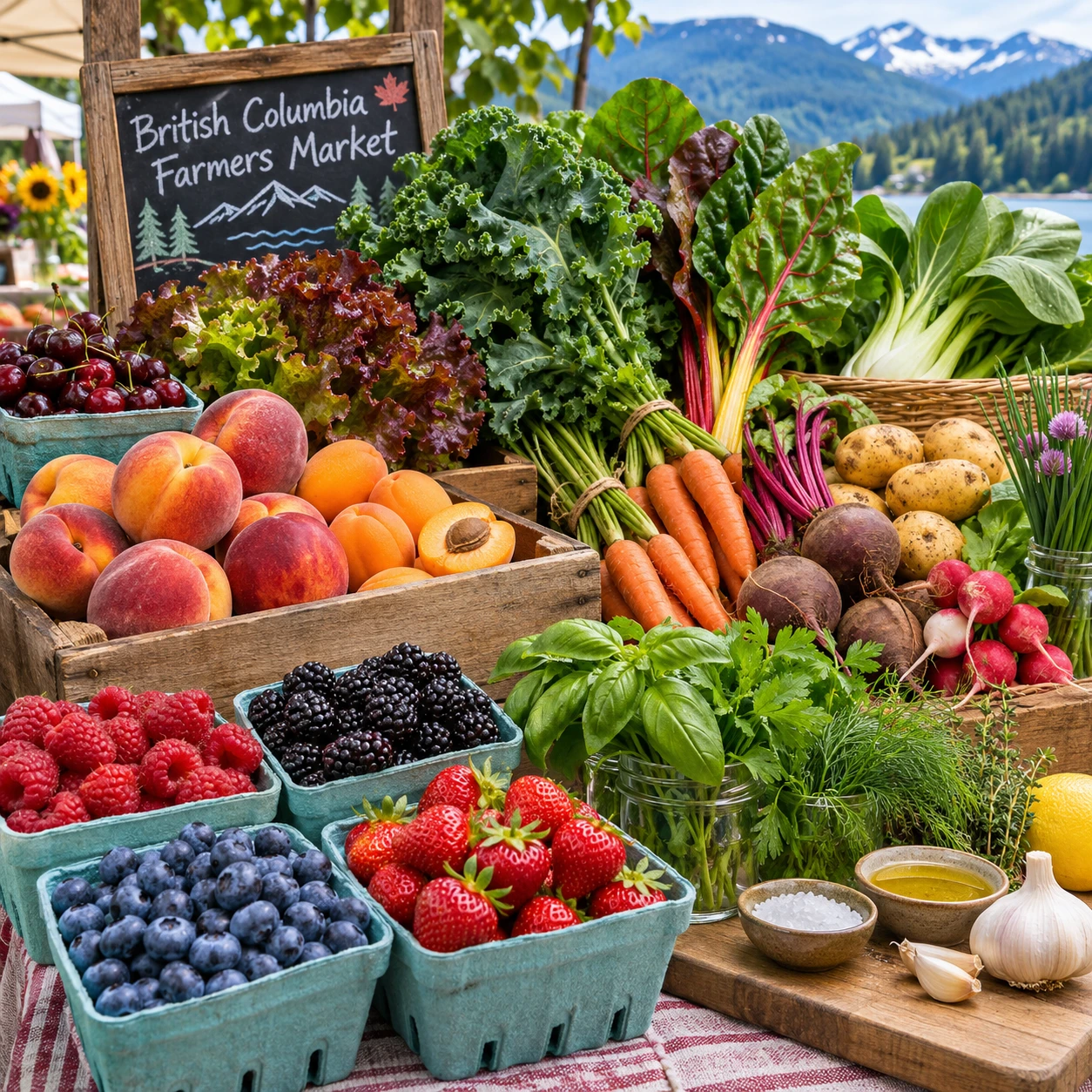
Cooking with seasonal BC ingredients starts with a simple habit: choose what looks fresh at the farmers market, then build an easy meal around it. British Columbia’s growing regions and changing seasons bring a steady rotation of berries, stone fruit, leafy greens, root vegetables, and herbs, so the best recipe may change from one market visit to the next.
Why cook with seasonal ingredients in BC?
Seasonal cooking in BC means choosing produce that is being harvested locally at that time of year and making simple meals that let it shine. The selection changes by region and weather, but shopping in season gives you a practical way to follow what local farms are bringing to market.
There is no need to plan an elaborate menu around every market find. A basket of ripe berries can become breakfast or dessert; fresh greens can anchor a quick lunch; and winter root vegetables can roast alongside almost any main dish. Buying what is available also makes it easier to try unfamiliar varieties or ask a farmer how they like to cook a particular vegetable.
Seasonal produce has a trade-off: the exact ingredients you want may not be available every week. Think of a recipe as a method rather than a fixed shopping list. If the recipe calls for one leafy green, another tender green may work just as well.
What to look for at a BC farmers market
At a BC farmers market, look for produce that is in season in your area, appears fresh, and suits the meals you plan to make. Availability varies across British Columbia and from year to year, so use seasonal patterns as a guide rather than a guaranteed calendar.
In warmer months, you may see berries such as strawberries, raspberries, blueberries, or blackberries, along with stone fruit like cherries, peaches, plums, and apricots. Spring and early summer often bring leafy greens, radishes, peas, and herbs. As the weather cools, markets may feature squash, potatoes, carrots, beets, cabbage, and other root vegetables. The timing and mix depend on local growing conditions.
When choosing produce, check for signs of freshness suited to the ingredient: crisp leaves, firm fruit, and roots that feel solid rather than soft. Ask vendors what is especially good that day and how quickly an item should be used. If you are shopping for several meals, buy delicate berries and greens in quantities you can eat soon, then choose sturdier vegetables for later in the week.
Easy breakfast and snack ideas
Easy seasonal breakfasts and snacks pair fresh fruit or greens with familiar staples such as oats, yogurt, eggs, or toast. Use the produce you have, and keep the preparation simple.
- Market berry oats: Stir fresh or lightly mashed berries into warm oatmeal, then add yogurt, seeds, or chopped nuts. A spoonful of chopped mint or lemon balm adds a fresh note if you have it.
- Stone-fruit toast: Top toast with sliced peaches, plums, or apricots and ricotta, soft cheese, or nut butter. If the fruit is firm, chop it and warm it briefly in a pan until tender.
- Greens and herb eggs: Wilt a handful of leafy greens in a pan, add beaten eggs, and finish with chopped chives, parsley, or dill. Use spinach, chard, or another quick-cooking green.
- Fruit-and-yogurt snack: Combine cut seasonal fruit with plain yogurt. Add oats or granola just before eating so they stay crisp.
For a snack that travels, wash and dry berries carefully, then pack them separately from wet ingredients. Keep cut fruit chilled when possible, and slice it close to serving time to preserve its texture.
Quick lunches and dinners with market produce
Quick lunches and dinners are easy to build around market vegetables: roast, sauté, or serve them raw, then add a grain, bread, eggs, beans, or another simple staple. This approach keeps vegetables at the center while leaving room for whatever is in season.
One-pan roasted vegetables
Cut sturdy vegetables such as carrots, beets, potatoes, squash, or onions into similar-sized pieces. Toss with oil, salt, and pepper, then roast on a sheet pan until tender and browned, checking smaller pieces earlier. Serve with cooked grains, a fried egg, or beans. Add delicate greens after roasting so they wilt from the vegetables’ heat without turning limp.
Flexible market salad
Start with leafy greens, then add sliced radishes, peas, berries, or stone fruit depending on what you found. A basic dressing of oil, vinegar or lemon juice, salt, and pepper brings the ingredients together. Add a cooked grain, lentils, or a piece of bread to make lunch more substantial.
Fast vegetable skillet
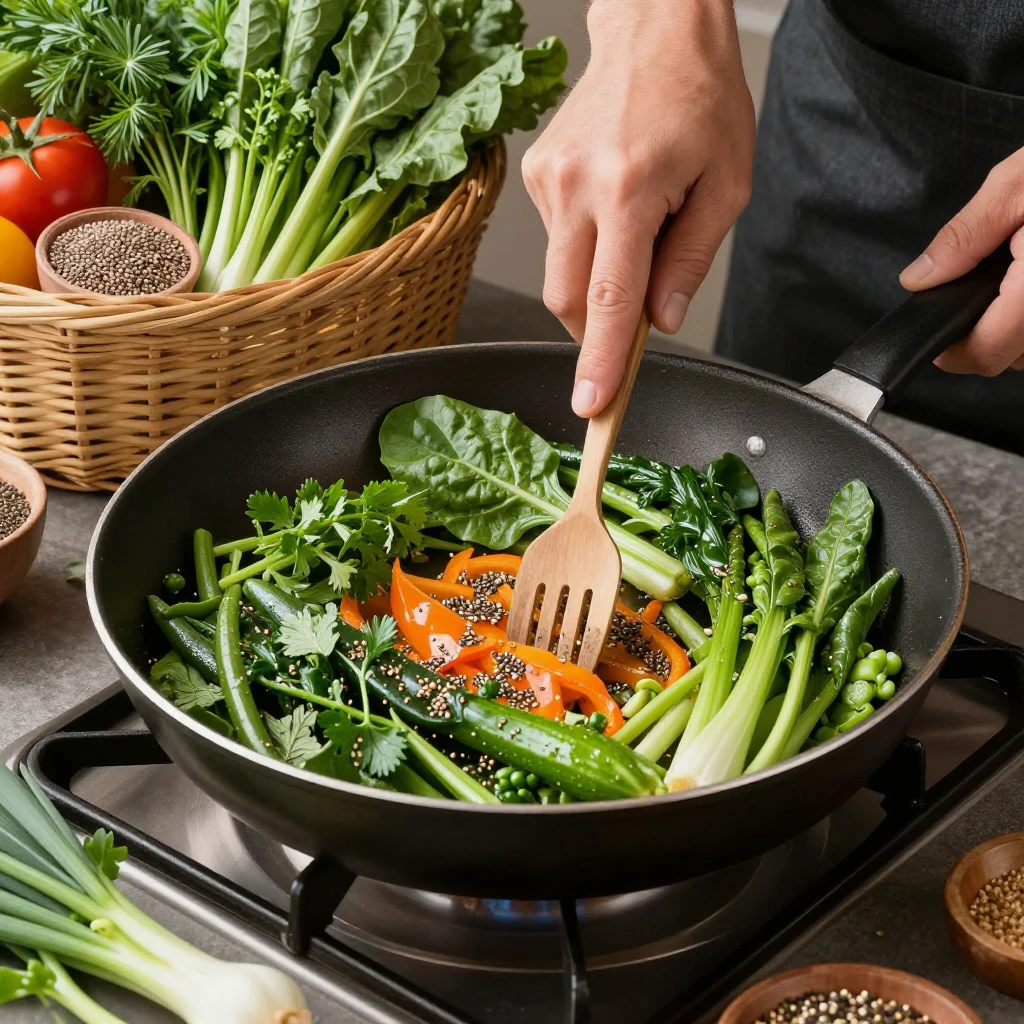
Sauté firm vegetables first, then add quicker-cooking produce and a splash of water to help everything soften. Finish with fresh herbs and serve over rice, noodles, or toast. For example, carrots and cabbage can go into the pan before tender greens; peas can be stirred in near the end. The precise timing depends on how thinly you cut each vegetable.
Simple sides, sauces, and extras
Simple sides and sauces make seasonal produce easier to use across several meals. Fresh herbs add a quick burst of flavour, while surplus fruit and vegetables can become a topping, dip, or cooked side dish.
- Herb dressing: Finely chop parsley, dill, chives, or a mix of soft herbs. Stir into oil and lemon juice or vinegar, season, and spoon over vegetables, grains, or eggs.
- Quick berry topping: Warm berries in a small saucepan with a splash of water until they release some juice. Serve over oats, yogurt, pancakes, or toast. Keep the mixture in the refrigerator and use it promptly.
- Roasted root-vegetable side: Roast carrots, beets, or potatoes with oil and seasoning. Add chopped herbs after cooking so their flavour stays bright.
- Leafy-green pesto-style sauce: Blend or finely chop tender greens with herbs, oil, and a handful of nuts or seeds. Add cheese if you like, or leave it out. Use as a pasta sauce, sandwich spread, or topping for roasted vegetables.
These extras do not need exact measurements. Start with a small amount of acid or seasoning, taste, and adjust. A sauce can rescue plain leftovers, but delicate herbs lose their appeal if cooked for too long.
Make each recipe work with what’s in season
To adapt a recipe to seasonal BC produce, keep the cooking method and replace ingredients with others that have a similar texture and cooking time. Store each market find according to its needs, and use delicate produce before sturdier vegetables.
Try this simple substitution rule: match texture, moisture, and cooking time. Spinach and chard can often trade places in a quick sauté, though thicker stems may need extra time. Carrots and parsnips both roast well, but pieces should be cut to a similar size. Berries can replace one another in oats or a quick topping; juicier fruit may need less added liquid.
Storage needs differ, so avoid treating all farmers market produce alike. Refrigerate most leafy greens in a bag or container with a dry towel to absorb excess moisture. Keep berries dry and chilled, washing them shortly before eating. Store potatoes and winter squash in a cool, dark, dry place rather than beside damp greens. If you are unsure, ask the grower for specific handling advice.
A common mistake is buying more delicate produce than you can use in a few days because it looks appealing at the stall. Choose a smaller quantity, or plan one meal for the same day. Another is swapping vegetables without considering cooking time: tender leaves added at the start may overcook while dense roots remain firm. Cut ingredients evenly, add them in stages, and taste as you go. That small adjustment is often all a flexible recipe needs.
Frequently asked questions
What produce is in season in BC? It varies by region and year. Warm-season markets often feature berries and stone fruit, while leafy greens and herbs appear across different parts of the growing season. Root vegetables, cabbage, and squash are common cooler-season options. Check with local farmers for what is being harvested now.
How can I adapt a recipe to use different seasonal vegetables? Swap ingredients with similar texture and cooking times. Add firm vegetables earlier, tender greens and herbs later, and adjust liquid if a substitute is especially juicy.
How should I store farmers market produce? Store each item according to its needs: keep most greens cool and dry, berries unwashed until use, and potatoes or winter squash in a cool, dark, dry spot. Ask the vendor if you are uncertain about a particular variety.
What are easy ways to use extra herbs or berries? Stir herbs into a dressing, eggs, or a grain bowl. Add berries to oats and yogurt, or warm them into a quick topping. Use delicate produce early so it does not sit forgotten in the refrigerator.