Meet the Makers: BC’s Local Artisans and Farmers
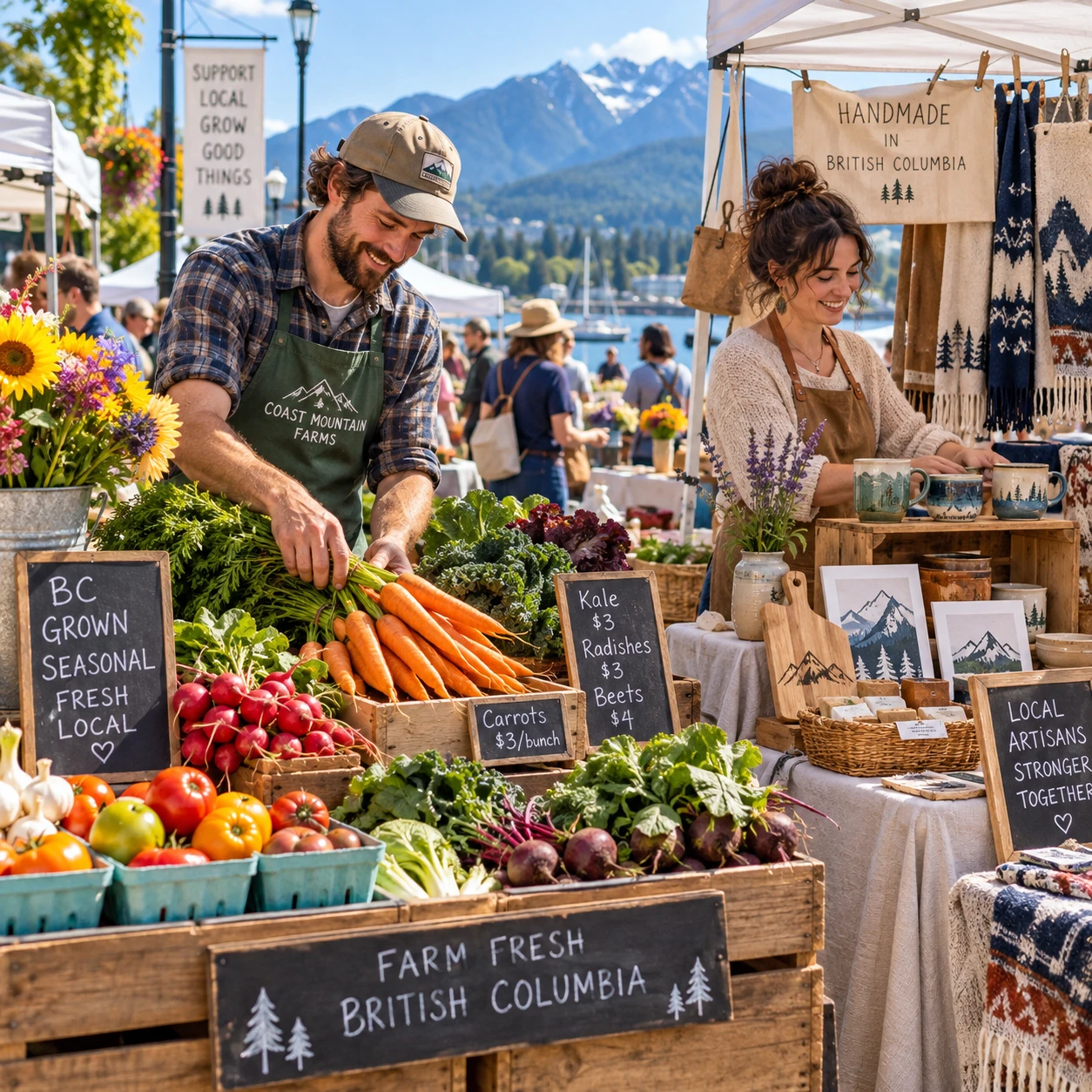
A farmers market is a collection of tables, but its character comes from the people behind them. Across British Columbia, local markets bring shoppers face to face with farmers, growers, food makers, and artisans whose products reflect their skills, communities, and the changing seasons.
Each vendor has a different story. One may explain how rain shaped a harvest; another might describe the process behind a hand-thrown mug or a small-batch preserve. Those conversations turn a shopping trip into a closer look at how local food and handmade goods are grown, prepared, and made.
The People Behind the Market Stalls
BC farmers markets may feature farmers and growers, prepared-food producers, and local artisans, though the mix varies from market to market. The common thread is the person who can tell you what they offer and how it came to be.
At a produce stall, you might meet someone who planted, tended, or harvested the vegetables on display. Other vendors make bread, preserves, cheese, sauces, or other foods, depending on the market’s rules and the producer’s offerings. Artisans may bring pottery, textiles, woodwork, jewellery, soaps, or other handmade goods. These examples are possibilities, not a promise that every market will carry them.
That variety makes room for different kinds of expertise. A grower can talk about which vegetables are ready now, while a food maker may explain ingredients or preparation. An artisan can describe the materials and techniques behind a piece. The vendor’s account adds useful context that a label alone cannot provide.
Vendor stories also reveal the work behind a finished product: planning, repetition, experimentation, and the practical decisions that shape what reaches the table. You don’t need to buy something to ask a genuine question. A respectful conversation can be part of the market experience in its own right.
What BC Farmers Bring to the Market
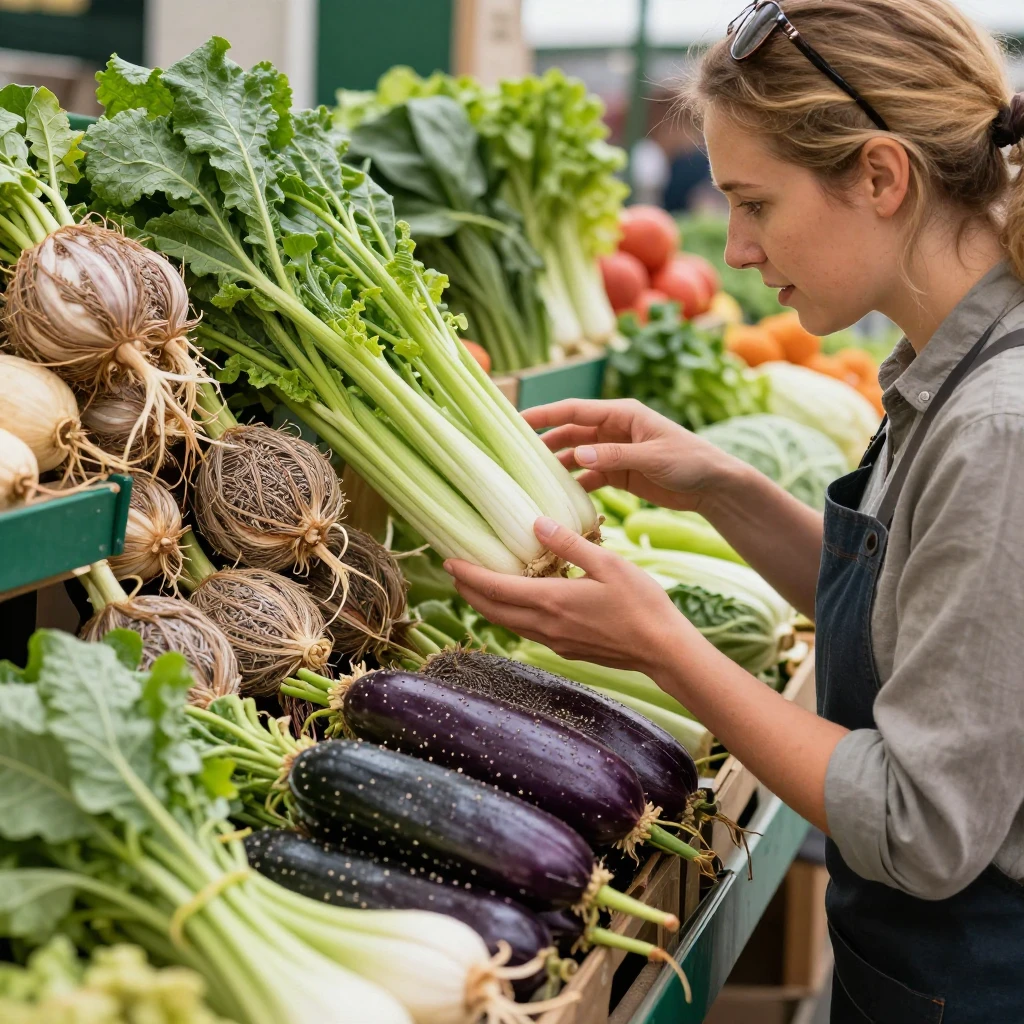
BC farmers bring seasonal produce and other locally grown offerings to farmers markets, with availability changing by region, weather, and time of year. What you find on a given visit depends on what is ready to harvest and what local vendors choose to bring.
In spring, shoppers may see early greens, herbs, or other crops suited to the season. Summer often brings a broader range of vegetables and fruit, while autumn is a natural time to look for storage crops and late-season harvests. These are general patterns, not a fixed calendar: coastal and interior growing conditions differ, and an unusual stretch of weather can shift timing.
Local food can also include products made from farmed ingredients, such as preserves or baked goods, where those vendors are part of the market. Ask what is in season and what the grower expects in the coming weeks. If you are planning a meal, describe what you want to cook; a farmer may suggest a variety that suits it or explain how to store a crop.
A market visit can make seasonal eating easier, but it may take flexibility. You might not find a particular item every week, and prices or selection can vary with supply. Instead of shopping from a rigid list, build a meal around what looks fresh and ask about quantities before buying.
Handmade Goods with a Local Touch
Local artisans at BC farmers markets offer handmade goods shaped by their materials, skills, and individual design choices. Their work may range from functional household items to wearable pieces and small gifts, depending on who is selling.
When you browse, look closely at how a piece is made. A pottery maker might discuss the feel of a glaze; a textile artist may explain a pattern or fibre; a woodworker could point out how the grain affects a finished object. Asking about care and use is practical, too. For example, find out whether a handmade item is dishwasher-safe, washable, or intended for display.
Handmade work often includes variation. A slight difference in shape, colour, or finish may be part of the process rather than a defect, but the artisan can clarify what to expect. Some pieces take substantial time to produce, so comparing them only with mass-produced goods can miss the labour and decisions involved.
For gift shopping, ask whether an item is ready to take home, whether custom orders are possible, and how long they might take. Custom work may not suit a last-minute purchase, and not every artisan accepts commissions. A brief conversation helps set clear expectations without putting pressure on the maker.
How Place Shapes What They Make and Grow
Place shapes what BC vendors grow and make through climate, local materials, seasonal rhythms, and community traditions. Those influences are specific to each person and area; there is no single product or story that represents all of British Columbia.
Growing conditions can affect which crops thrive and when they are ready. Soil, rainfall, temperature, and the length of the growing season all matter, while growers also choose what fits their land and operation. That is why a familiar vegetable may appear at different times in different parts of BC.
For artisans, place may show up in a chosen material, a design influenced by the surrounding landscape, or techniques learned through family or community. A maker may work with locally sourced materials, but shoppers should ask rather than assume. The answer can be more nuanced: a product may be designed and made locally while some supplies come from elsewhere.
Community connections also shape a vendor’s work. Feedback from regular shoppers can help a maker understand what people use or enjoy, while relationships among vendors can create opportunities to share knowledge. These exchanges are part of what makes a market feel connected to the place around it.
Connecting with Makers and Farmers
To learn about market products, ask open, specific questions about ingredients, growing practices, materials, or how an item is made. A friendly question gives the vendor a clear starting point and helps you decide whether a product fits your needs.
Useful questions include:
- “What is especially good this week?”
- “How would you store or prepare this?”
- “What materials did you use, and how should I care for it?”
- “Can you tell me how this is grown or made?”
- “Do you expect to have more later in the season?”
For questions about farming or food production, be precise about what you want to know. If a label or answer is unclear, ask the vendor to explain the term. Producers may use different methods, and one vendor’s approach should not be assumed to apply to another.
Timing and attention matter. Markets can be busy, so keep questions concise when a line forms and return when the vendor has more time. If you want to compare products, explain what matters to you, such as flavour, ingredients, intended use, or care needs. You will get a more useful answer than by asking which item is simply “best.”
Why Their Work Matters to the Market Community
Local farmers, food producers, and artisans give farmers markets their range of products and personal connections. Their work lets shoppers meet the people behind local food and handmade goods, while vendors meet customers directly.
Shopping at a farmers market can keep a purchase connected to the person who grew or made the product. It may also help shoppers discover unfamiliar ingredients, find a practical handmade item, or learn how a season is unfolding. The benefits differ by purchase and market, and buying locally is not automatically the right choice for every budget or need.
Markets also create a shared setting for neighbours, producers, and visitors. A quick exchange about a crop or craft can make the next visit more informed: you may remember when a product tends to appear or how to use it. Over time, these small interactions build familiarity without requiring shoppers to become experts.
For a more rewarding visit, arrive with one or two questions and enough flexibility to notice what is new. Buy what suits your household, ask about the work behind it, and let the maker or grower set the pace of the conversation. That is a simple way to experience the people and craft at the heart of BC farmers markets.
Frequently Asked Questions
What kinds of vendors can you find at a BC farmers market?
Depending on the market, vendors may include farmers and growers, prepared-food producers, and artisans selling handmade goods. The exact mix varies, so check the market’s own information if you are looking for a particular product.
When is the best time to find seasonal produce?
There is no single best time across BC. Produce availability changes by season, region, and weather. Visit regularly and ask growers what is ready now and what may arrive later.
How can shoppers learn more about a vendor’s products?
Ask the vendor directly about ingredients, growing practices, materials, preparation, or care. Specific questions make it easier to get an answer that helps with your purchase.
Are farmers markets a place to find handmade gifts?
Many markets include local artisans, so they can be a good place to browse for handmade gifts. Selection varies, and custom pieces may require more time than a ready-made purchase.