The Role of Farmers Markets in Sustainable Agriculture
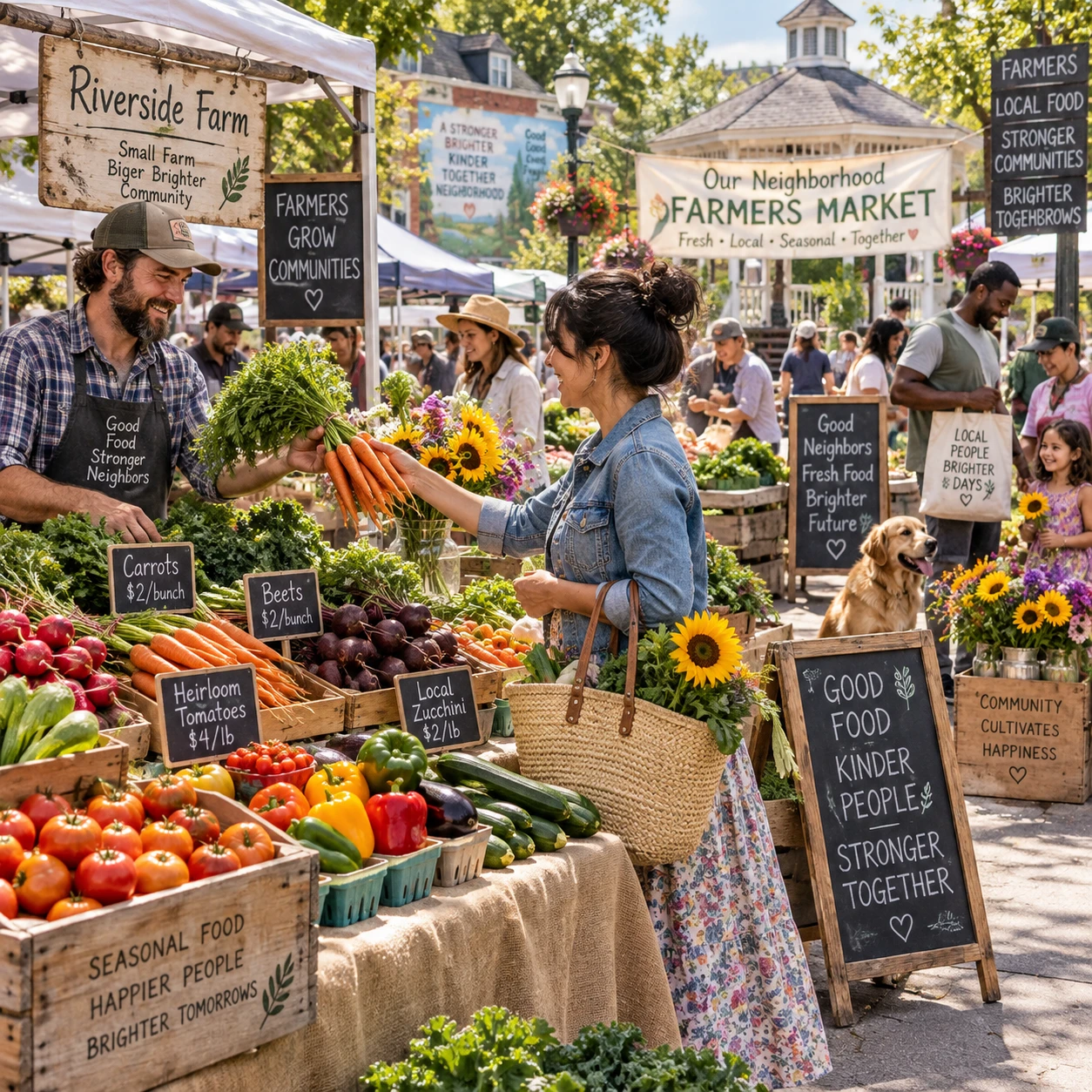
Farmers markets bring growers and shoppers together, creating a visible link between food production and everyday meals. They can strengthen sustainable agriculture by giving small-scale farmers direct access to customers and helping communities value seasonal produce. Their impact, however, depends on how food is grown, transported, sold, and made accessible.
What Sustainable Agriculture Means
Sustainable agriculture aims to produce food while protecting natural resources, supporting farm livelihoods, and serving communities over time. Farmers markets can contribute to those goals, but a market’s presence alone does not prove that every product was grown sustainably.
Environmental sustainability includes maintaining soil health, conserving water, reducing pollution, and protecting biodiversity. Practices such as cover cropping, crop rotation, integrated pest management, and habitat planting may support those aims, though the right approach varies by region and farm.
Economic sustainability means farms can earn enough to keep operating, invest in their land, and pay workers fairly. The community dimension includes reliable access to nutritious food, relationships between producers and consumers, and a resilient local food system. These parts overlap: healthy soil can support future harvests, while a dependable customer base can help a farmer plan for them.
How Farmers Markets Support Local Farmers
Farmers markets can support local farmers by creating a direct-to-consumer sales channel where growers keep a larger share of the retail price than they might through some wholesale arrangements. Direct sales also give farmers quick feedback about what customers want and what they are willing to buy.
For a small-scale farmer, a market can be more than a place to sell vegetables. Regular customers may ask for a particular variety, reserve produce, or sign up for a community-supported agriculture (CSA) share. Those connections can make demand easier to understand before planting, although market income still depends on weather, attendance, competition, and the costs of harvesting and staffing a stall.
Farmers also take on work that a wholesale buyer might otherwise handle: displaying products, answering questions, accepting payments, and transporting goods. The direct relationship has real value, but it is not automatically more profitable. Markets are most useful when sales cover those extra hours and expenses as well as production costs.
Environmental Benefits and Considerations
Farmers markets may reduce some environmental impacts by shortening distribution routes and encouraging seasonal eating, but local food is not automatically lower-impact food. Farming methods, transport efficiency, storage, packaging, and what the food replaces all matter.
Food miles describe the distance food travels from farm to buyer. Shorter routes can reduce transport needs, especially when a shopper walks, bikes, or combines market trips with other errands. Yet a nearly full truck traveling farther may use less fuel per item than many individual cars driving to a market. The distance is only one part of the calculation.
Seasonal produce can also fit local growing conditions. Buying what is abundant at the time may reduce the need for energy-intensive storage or heated greenhouse production, depending on the crop and region. Shoppers can ask whether an item is grown locally or brought in from elsewhere; markets may include both.
Production practices matter just as much. A nearby farm that degrades soil or relies heavily on certain inputs may have different impacts from a more distant farm using careful soil and water management. Ask about practices rather than assuming that terms such as “local” or “small farm” guarantee a particular environmental outcome.
Connecting Shoppers With Food and Its Producers
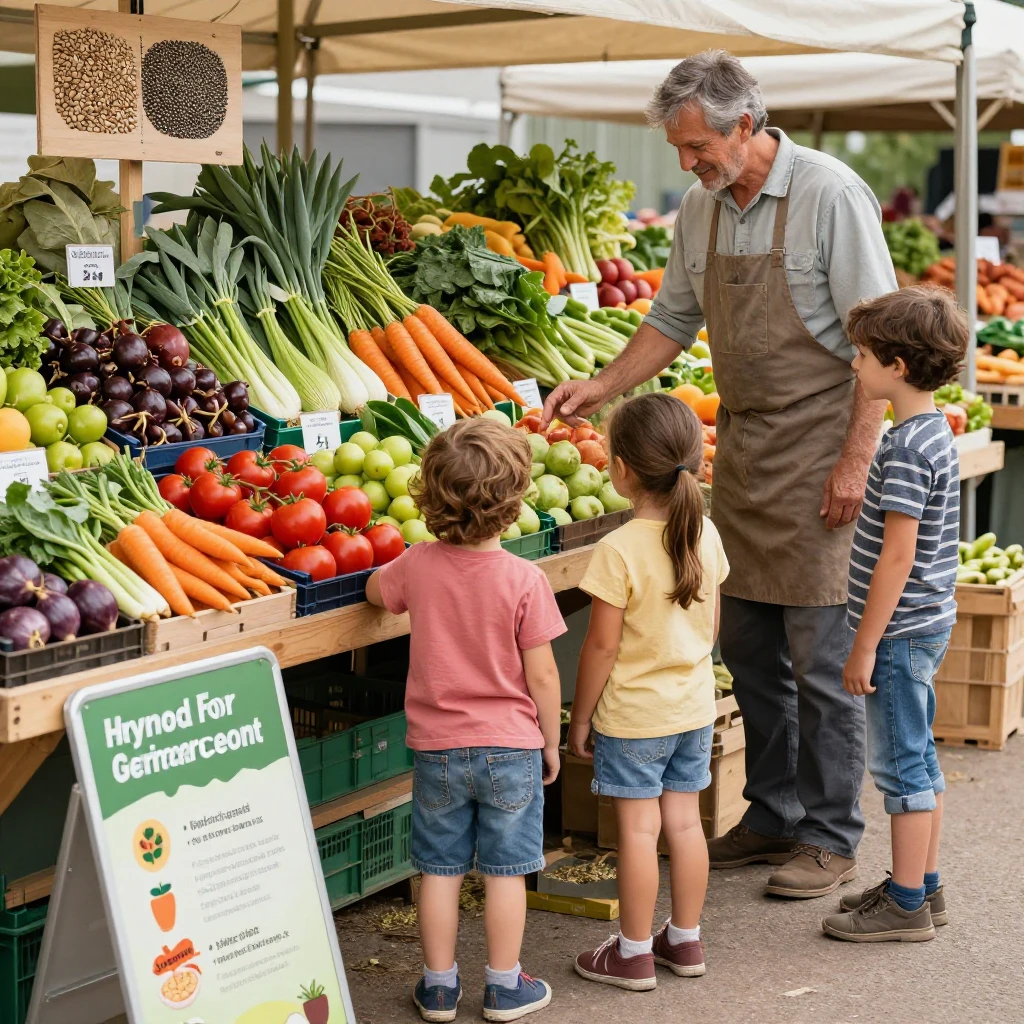
Farmers markets connect shoppers with food producers through face-to-face conversations, making it easier to ask where food comes from and how it is grown. Those exchanges can turn broad claims about sustainability into specific information about a farm’s practices.
A shopper might learn that a farmer rotates crops to manage pests, plants cover crops between seasons, or leaves some field edges for pollinators. Another grower may explain why a crop is unavailable after a stretch of cold weather. These details help customers understand both the work behind food and the limits that seasons place on supply.
Good questions invite conversation without treating a quick answer as certification. Try asking:
- Which farm grew this, and is it grown here or sourced from another producer?
- How do you build soil health or manage pests and weeds?
- What is in season now, and what tends to be available next?
- How do you handle unsold produce or reduce packaging?
Vendors may have limited time during a busy market. A short, open-ended question is often more useful than demanding a yes-or-no label, and farmers can explain where their methods involve trade-offs.
Benefits for Local Communities
Farmers markets can contribute to local economies, food access, and social connections by bringing producers, residents, and community organizations into a shared public space. The benefits are strongest when the market is reachable, welcoming, and affordable to a broad range of residents.
Money spent directly with local vendors may circulate through nearby businesses and services, though the scale of that effect varies by market. Markets can also introduce shoppers to unfamiliar produce and create a place for cooking demonstrations, nutrition programs, or community events.
Access requires practical support. Markets located near public transit, open at workable hours, and accepting benefits such as SNAP or WIC where eligible can serve more households. Some programs offer matching funds for fresh food purchases. These efforts help, but they require reliable funding and coordination; a market that is technically open to everyone may still be difficult to reach or shop at.
How to Shop With Sustainability in Mind
To shop more sustainably at a farmers market, choose seasonal food, learn who produced it, and ask about the farming practices that matter to you. A few deliberate choices can support farms without expecting every shopper to buy everything locally.
Use a simple three-part check: season, source, and practice. First, look for produce that is abundant in the current season. Next, find out whether the vendor grew it or resold it and where it came from. Then ask one practical question about soil, water, pest management, or packaging.
- Plan a flexible meal around what is plentiful, rather than expecting every item to be available year-round.
- Bring reusable bags and combine the market visit with another trip when possible.
- Compare quality and price across vendors; a less familiar vegetable may be affordable when it is in peak supply.
- Consider a CSA share if its pickup schedule, quantity, and cost suit your household.
- Buy from more than one farm when that helps support a broader range of local producers.
There is no need to make every purchase a test of virtue. Budget, dietary needs, time, and transportation all shape what is realistic. Consistent choices that fit your household are more useful than a strict local-only rule that cannot be maintained.
Challenges and Ways to Strengthen the Impact
Farmers markets face limits around affordability, location, seasonality, and variation in farming practices. Improving their contribution to sustainable agriculture means addressing those barriers rather than assuming that direct sales solve them.
Some markets have fewer vendors, limited hours, or no convenient transit access. Some shoppers may find prices difficult to manage, while farmers face unpredictable harvests and the expense of getting products to market. Meanwhile, practices differ from farm to farm, and a brief conversation may not capture every environmental or labor issue.
Market managers can help by accepting food benefits, offering incentive programs, choosing accessible locations, and publishing clear vendor information. Farmers can explain their production and sourcing practices plainly. Shoppers can support these efforts by asking respectful questions, giving feedback about hours and product needs, and returning regularly when they can.
A common mistake is to treat “local” as a complete sustainability label. It describes proximity, not a farm’s entire environmental footprint or labor conditions. Another is to judge a farm’s practices from a single product or conversation; ask specific questions and allow for seasonal and regional differences.
Frequently Asked Questions
Are farmers markets always more sustainable than supermarkets?
No. Farmers markets can offer shorter supply chains and direct producer contact, but environmental impact also depends on production, transport, storage, and shopping trips. A supermarket may carry local products or move large volumes efficiently, so compare the actual food and supply chain where possible.
What questions can shoppers ask farmers about their practices?
Ask who grew the food, how the farm supports soil health, and how it manages pests, water, or weeds. You can also ask what is in season and whether any products come from other farms. Specific, open questions usually lead to more helpful answers than broad requests for a sustainability label.
How can seasonal shopping support sustainable agriculture?
Seasonal shopping can help farmers sell crops when they are naturally available and may reduce reliance on long-term storage or energy-intensive production. The benefit depends on the crop and local growing conditions. Choosing what is abundant is a practical starting point.
Do farmers markets help small farms remain viable?
They can by giving small farms direct-to-consumer sales, customer relationships, and feedback on demand. But a market is only financially useful if earnings justify production, travel, and selling costs. CSA subscriptions and other sales channels can complement market income.