Top 10 Must-Visit Farmers Markets in British Columbia
Why Farmers Markets Matter in British Columbia
British Columbia's farmers markets are more than weekend shopping stops — they're the backbone of a food culture built on seasonal eating, direct relationships between growers and eaters, and regional pride. With one of Canada's most diverse agricultural landscapes, BC produces everything from Okanagan stone fruit and Vancouver Island seafood to Fraser Valley dairy and Kootenay heritage grains.
The province is home to over 150 certified farmers markets operating under the BC Association of Farmers' Markets, which sets standards for vendor authenticity and local sourcing. That certification matters: it means what you buy was genuinely grown, raised, or made in BC — not resold from a wholesale distributor.
For anyone interested in farm-to-table eating, sustainable food systems, or simply understanding where their food comes from, a BC farmers market visit is one of the most direct experiences available. The connection you make at a market stall — talking to the person who picked your peaches that morning — is something no grocery store can replicate.
What to Look for in a Great BC Farmers Market
A great BC farmers market balances vendor variety, seasonal produce quality, community atmosphere, and practical accessibility. Not every market excels at all four, but the best ones get at least three right.
Here's a quick framework for evaluating any market before you visit:
- Vendor authenticity: Are vendors selling what they actually grew or made? Certified markets require this.
- Seasonal variety: A strong market shifts its offerings week to week as crops come in — strawberries in June, tomatoes in August, squash in October.
- Artisan depth: Beyond produce, look for local bakers, cheesemakers, preservers, and prepared food vendors who add texture to the experience.
- Atmosphere and accessibility: Is it walkable? Is there parking or transit access? Is it welcoming to families, dogs, and first-timers?
Markets that check these boxes tend to build loyal communities around them — and that community energy is often what turns a one-time visit into a weekly ritual.
The Top 10 Must-Visit Farmers Markets in BC
These ten markets represent the best of British Columbia's local food scene, spanning regions, seasons, and specialties. Each one offers something genuinely distinct.
1. Trout Lake Farmers Market — Vancouver
Running from May through October in East Vancouver's John Hendry Park, Trout Lake Farmers Market is widely considered one of the city's most beloved community markets. The lakeside setting creates a relaxed atmosphere, and the vendor mix — organic produce, heritage-breed meats, artisan bread — reflects Vancouver's serious food culture.
2. Kelowna Farmers' and Crafters' Market — Kelowna
At the heart of Okanagan wine country, this year-round indoor/outdoor market draws vendors from across the region. Okanagan seasonal produce — cherries, apricots, peaches, wine grapes — is the obvious draw in summer, but the winter market keeps local commerce alive when other markets close.
3. Victoria Public Market — Victoria
Housed in the historic Hudson's Bay building, the Victoria Public Market operates year-round with a curated selection of Vancouver Island producers. It's an ideal destination for those who want a sheltered, all-weather market experience without sacrificing the authenticity of farm-direct shopping.
4. Granville Island Public Market — Vancouver
Technically a public market rather than a traditional farmers market, Granville Island earns its place on this list for sheer variety and cultural significance. Local BC produce, fresh seafood, artisan cheeses, and prepared foods from dozens of vendors make it a full sensory experience — though it runs daily, not just on market days.
5. Penticton Farmers Market — Penticton
Running Saturday mornings from April through October, Penticton's market sits at the center of South Okanagan agricultural life. Expect abundant stone fruit in peak summer, alongside local honey, organic vegetables, and handcrafted goods from Interior BC makers.
6. Comox Valley Farmers Market — Courtenay
On Vancouver Island's east coast, this market reflects the Island's strong organic farming culture. Vendors here tend toward small-scale, diversified operations — the kind of farms growing fifteen varieties of tomatoes instead of one. It runs Saturday mornings from April through October.
7. New Westminster Farmers Market — New Westminster
One of the Lower Mainland's fastest-growing markets, New Westminster draws vendors from the Fraser Valley and beyond. The Thursday evening format makes it uniquely accessible for working families who can't make weekend mornings.
8. Nelson Farmers Market — Nelson
In the West Kootenay region, Nelson's market is a cultural institution. Artisan vendors and small-scale organic growers from the surrounding mountain valleys create a lineup that feels genuinely different from Lower Mainland markets — more wild-harvested mushrooms, more heritage grains, more hand-dyed wool alongside the produce.
9. Squamish Farmers Market — Squamish
Running Thursday evenings through summer, Squamish's market punches above its weight for a town of its size. The outdoor mountain backdrop is spectacular, and the vendor community reflects Sea-to-Sky corridor food culture — local honey, foraged goods, and farm-fresh eggs from nearby Pemberton farms.
10. Abbotsford Farm and Country Market — Abbotsford
Deep in the Fraser Valley — BC's most productive agricultural region — this market connects visitors directly with the farms that feed much of the province. Farm-direct shopping here is as literal as it gets: many vendors are selling crops harvested the same morning, just kilometers away.
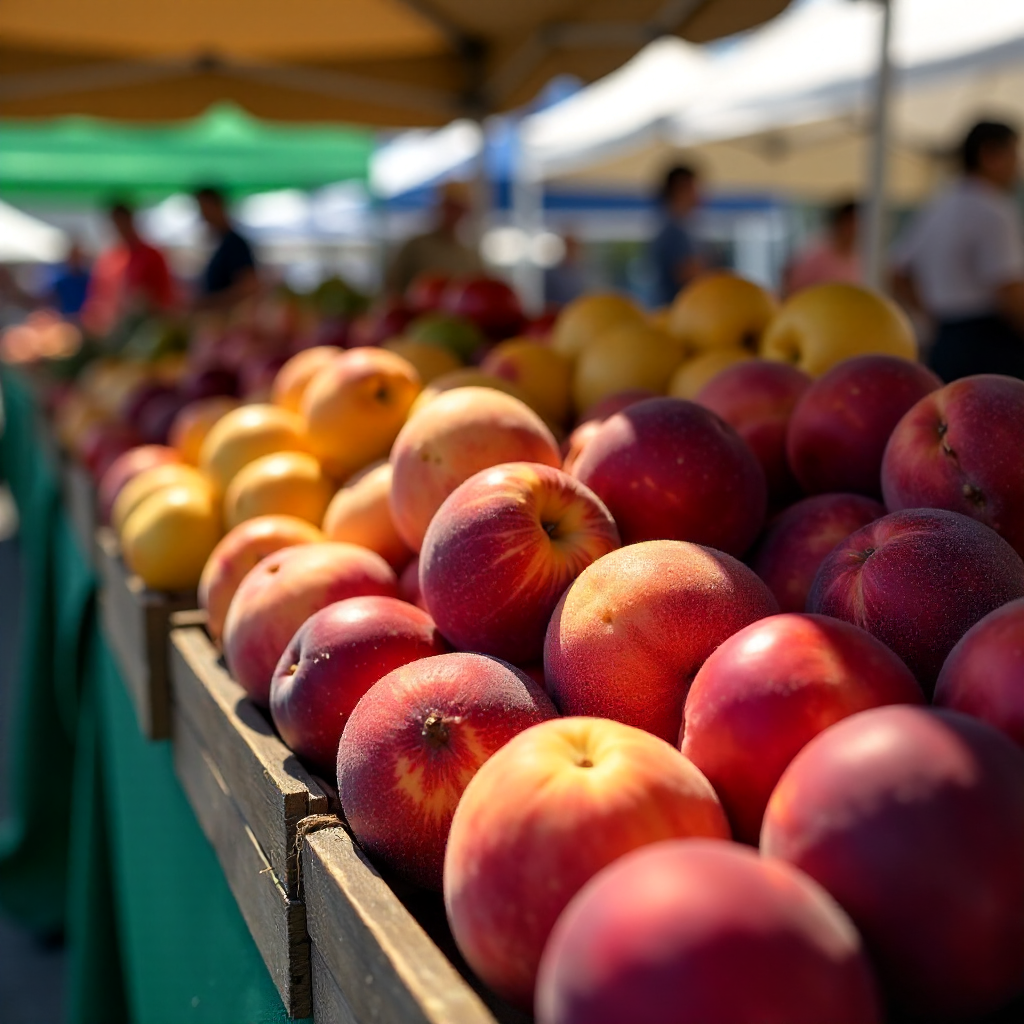
Regional Highlights — Markets by Area
BC's geography means that the best market for you depends heavily on where you are — or where you're willing to travel. Here's how the top picks break down by region.
Lower Mainland
Vancouver and surrounding municipalities offer the densest concentration of markets. Trout Lake and New Westminster serve different schedules and neighborhoods, while Granville Island operates daily for tourists and locals alike. Abbotsford anchors the Fraser Valley end of the region with a more agricultural character.
Vancouver Island
Victoria Public Market and Comox Valley Farmers Market represent two ends of the Island experience — one urban and year-round, one seasonal and rooted in small-scale farming. Both reflect Vancouver Island's strong organic farming identity and its food-conscious community culture.
Interior and Okanagan
Kelowna, Penticton, and Nelson each offer something the coast can't: proximity to BC's orchard country, wine regions, and mountain-valley farming. Summer visits to Okanagan markets during stone fruit season — roughly July through September — are a genuinely memorable experience for anyone who cares about seasonal eating.
What You Can Expect to Find at BC Farmers Markets
BC farmers markets typically offer a wide range of local food and artisan goods, varying by season and region. Fresh produce is always the anchor, but the supporting cast is what makes each visit interesting.
Across most certified BC markets, you'll find:
- Fresh seasonal produce: Greens and radishes in spring, berries and stone fruit in summer, squash and root vegetables in fall
- Dairy and eggs: Local farmstead cheeses, free-range eggs, and occasionally raw milk products where regulations permit
- Baked goods: Sourdough loaves, pastries, and specialty breads from small-batch bakers
- Meat and seafood: Pasture-raised beef and pork, heritage poultry, and — especially on the coast — fresh or smoked fish
- Prepared foods: Jams, pickles, hot sauces, and fermented goods made from local ingredients
- Artisan crafts: Handmade goods from local makers, ranging from ceramics to beeswax candles to hand-spun yarn
The ratio of food to craft varies by market — some lean heavily agricultural, others blend food and artisan goods more evenly. Knowing your preference helps you choose the right market for your interests.
Tips for Getting the Most Out of Your Farmers Market Visit
A few practical habits separate a good farmers market visit from a great one. These apply whether you're a first-timer or a weekly regular.
Arrive early. The best vendors sell out — especially bakers and anyone with limited-run specialty items. Getting there in the first 30 minutes of opening gives you the full selection and the least crowded aisles.
Bring reusable bags and small bills. Many vendors still prefer cash for small transactions, and having exact change speeds things up for everyone. A sturdy tote or two handles a full market haul far better than plastic bags.
Talk to the vendors. This is the part most visitors skip, and it's where the real value lies. Ask how something was grown, what to do with an unfamiliar vegetable, or which of their products is the best seller this week. Farmers and makers are almost always happy to talk — it's why many of them do markets in the first place.
Go without a fixed list. The best market meals start with what looks good that day, not a pre-planned recipe. Seasonal eating works better when you let the market dictate the menu rather than the other way around.
Check market schedules before you go. Hours, dates, and vendor lineups change seasonally. Most BC markets maintain updated schedules on their websites or through the BC Association of Farmers' Markets, which is the most reliable central resource for finding certified markets near you.
Supporting Local — Why Shopping at Farmers Markets Makes a Difference
Every dollar spent at a BC farmers market stays closer to home than almost any other food purchase you can make. Studies on local food economies consistently show that money spent directly with farmers and local makers recirculates through the regional economy at a higher rate than equivalent spending at large retailers.
Beyond economics, the environmental case for farmers market shopping is straightforward. Shorter supply chains mean less refrigeration, less packaging, and fewer transportation emissions. Buying a bag of Okanagan apples at a Kelowna market involves a fraction of the logistics footprint of the same apples shipped to a distribution center and then to a supermarket shelf.
There's also something harder to quantify but easy to feel: the relationship between a community and its food supply. When you know the person who grew your garlic, you're more likely to ask questions about how it was grown, to notice when a crop fails one season, and to care about the conditions that make farming in BC viable. That kind of engaged food citizenship is what sustainable food systems are actually built on — not just purchasing decisions, but ongoing attention and connection.
BC's farmers markets are one of the most accessible entry points into that relationship. You don't need to grow your own food or live near a farm to participate. You just need to show up on a Saturday morning with a bag and an open mind.
Frequently Asked Questions
When is farmers market season in British Columbia?
Most outdoor BC farmers markets run from May through October, with peak activity in July and August when seasonal produce variety is highest. Several markets — including Kelowna and Victoria — operate year-round in indoor or covered formats.
Do BC farmers markets accept credit cards or only cash?
Payment options vary by vendor. Many now accept debit and credit cards via mobile payment systems, but cash remains widely used — especially for smaller purchases. Bringing both gives you the most flexibility.
Are pets allowed at farmers markets in BC?
Policies differ by market and sometimes by municipality. Many outdoor markets welcome leashed dogs, but markets with food preparation areas may restrict animals. Check the specific market's rules before bringing a pet.
How do I find a certified farmers market near me in BC?
The BC Association of Farmers' Markets maintains a searchable directory of certified markets across the province. Certification means vendors are selling products they genuinely grew, raised, or made in BC — an important distinction from uncertified markets or flea markets that include resellers.
What is the difference between a farmers market and a public market in BC?
A farmers market typically operates seasonally with certified local vendors selling products they produced themselves. A public market — like Granville Island — operates year-round in a permanent facility and may include a broader mix of vendors, including some who resell goods. Both can be excellent, but they serve somewhat different purposes for local food shopping.