The Real Benefits of Shopping at Local Farmers Markets in BC
There is something different about picking up a bunch of carrots when the person who pulled them from the ground is standing right in front of you. British Columbia's farmers markets have built a culture around exactly that kind of direct connection — and the benefits go well beyond a good tomato.
From the rain-soaked fields of the Lower Fraser Valley to the sun-baked orchards of the Okanagan and the rugged farms of Vancouver Island, BC's agricultural diversity is extraordinary. The province's markets reflect that richness in ways that no grocery store aisle can replicate.
What Makes BC Farmers Markets Unique
BC farmers markets stand apart because they draw from one of Canada's most geographically diverse food-producing regions. The province spans multiple growing climates — coastal, interior, and valley — which means a single market can offer products that no other region in Canada can match in combination.
The Lower Fraser Valley produces some of the most abundant berry crops and market garden vegetables in the country. The Okanagan is famous for stone fruit, wine grapes, and orchard goods. Vancouver Island supplies heritage vegetables, seafood, and artisan dairy products that rarely make it to mainstream retail shelves.
BC's market culture is also shaped by a strong tradition of small-scale and organic farming. Many producers here have been growing the same varieties for generations, preserving seed stocks and farming methods that prioritize soil health over yield volume. That history shows up in what you find at the stalls.
Fresher Food, Better Nutrition
Produce sold at BC farmers markets is typically harvested within 24 to 48 hours of reaching the stall — a sharp contrast to supermarket supply chains where fresh vegetables can travel for days or weeks before reaching a shelf. That gap matters for both flavour and nutritional value.
Nutrients in fruits and vegetables begin to degrade from the moment of harvest. Vitamins like C and folate are particularly sensitive to time, temperature, and light exposure. Farm-to-table purchasing shortens that window significantly, which is why market strawberries taste nothing like the ones in plastic clamshells at a big-box store — they were not bred for shelf life.
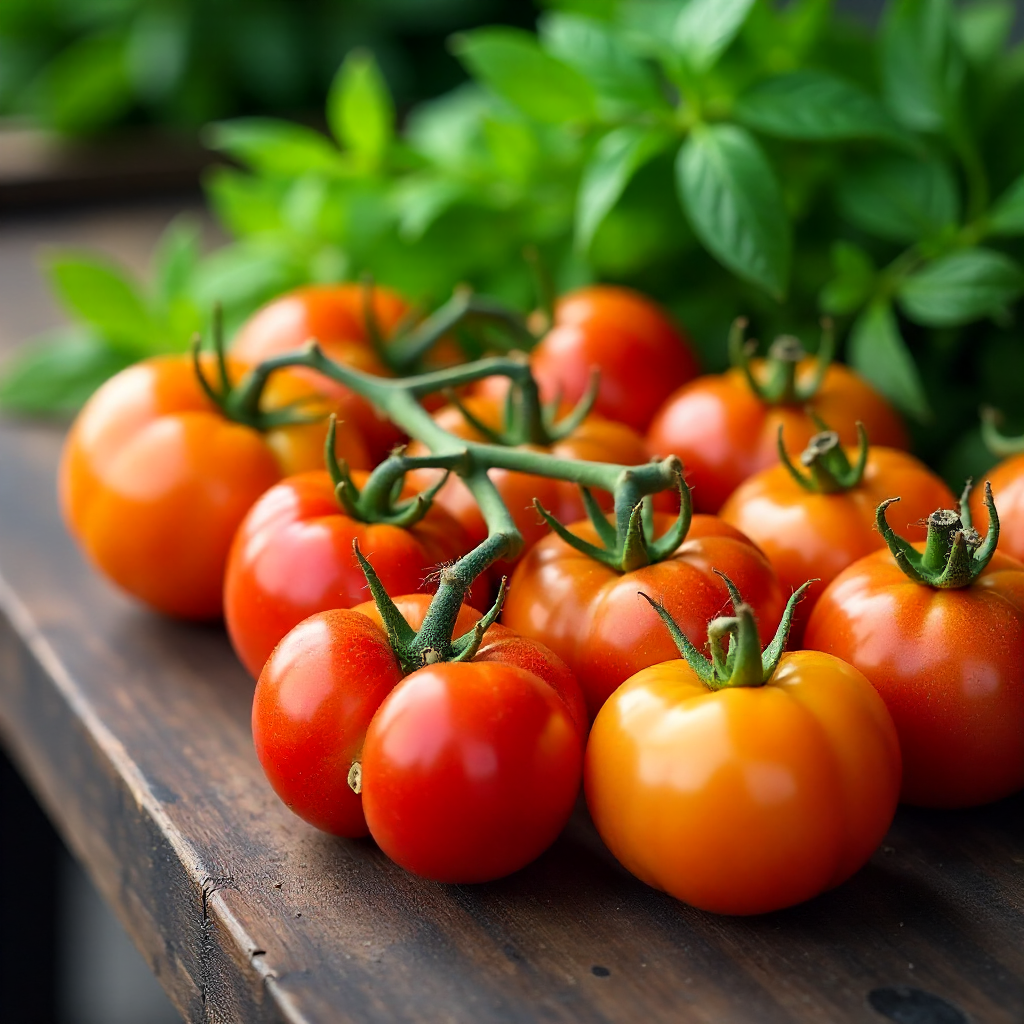
Beyond nutrition, there is the simple reality of taste. Seasonal and fresh produce picked at peak ripeness has a flavour profile that commercially grown, early-harvested alternatives cannot match. Once you have eaten a Okanagan peach bought directly from the grower, the comparison becomes obvious.
Supporting BC Farmers and the Local Economy
Every dollar spent at a BC farmers market stays closer to home than money spent at a national grocery chain. When you buy directly from a local producer, a much larger share of that purchase price goes back to the farmer rather than being absorbed by distributors, logistics networks, and corporate margins.
This is not just an abstract economic principle. Small-scale BC farmers operate on tight margins. Direct sales at markets give them better pricing control and a relationship with their customer base that wholesale supply chains do not allow. That financial stability helps farms stay viable across generations.
The ripple effect extends further. Market vendors buy supplies locally, hire from their communities, and often reinvest in regional infrastructure. A thriving farmers market supports not just the growers but also the bakers, jam makers, cheese producers, and prepared food vendors who depend on the same ecosystem.
The BC Farmers Market Association works to support and certify markets across the province, ensuring that vendors meet standards that keep the focus on local producers rather than resellers. Shopping at certified markets means your money is genuinely supporting the regional food economy.
Knowing Where Your Food Comes From
Food transparency is one of the most compelling reasons to shop at a farmers market — and it is something grocery stores structurally cannot offer. At a BC market, you can ask the grower directly how something was grown, what inputs were used, and when it was harvested.
That conversation changes your relationship with food. Food traceability is not just a regulatory concept here; it is a practical reality. You are not reading a vague label that says "Product of Canada" — you are talking to the person whose land the food came from.
This matters especially for shoppers concerned about pesticide use, GMO practices, or animal welfare. Many BC farmers use organic or low-spray methods but are not certified organic because the certification process is expensive and time-consuming for small operations. At a market, you can ask directly and get a straight answer. That kind of transparency is impossible to replicate at scale.
Seasonal Eating and Environmental Benefits
Shopping at BC farmers markets naturally aligns your diet with what is actually growing in the province right now — and that shift has real environmental consequences. Seasonal eating reduces the demand for produce shipped from distant regions or grown in energy-intensive greenhouses.
Food miles — the distance food travels from farm to consumer — are dramatically lower when you buy from a local producer at a regional market. Less transportation means lower fuel consumption and carbon emissions per item. It also means less refrigeration, less packaging, and less food loss in transit.
Many BC market vendors also sell with minimal packaging, or bring reusable containers for things like bulk grains or honey. Bringing your own bags and containers to the market is both practical and genuinely reduces waste in a way that grocery shopping rarely allows.
Eating seasonally also supports sustainable farming practices by rewarding growers who work with natural growing cycles rather than against them. A farmer who sells what is in season does not need to push crops with heavy chemical inputs to meet year-round demand.
Community, Discovery, and the Market Experience
BC farmers markets are social spaces as much as they are shopping destinations. The atmosphere — outdoor stalls, live music at some markets, the smell of fresh bread and roasted coffee — creates an experience that a grocery run simply does not.
Beyond fresh produce, most markets feature artisan vendors selling small-batch goods: handmade preserves, local honey, farmstead cheese, fresh-cut flowers, hand-thrown pottery, and prepared foods made from regional ingredients. These vendors represent a creative economy that thrives alongside the agricultural one.
For families, markets offer a way to connect children with where food comes from in a concrete, sensory way. Watching someone weigh out cherries, or seeing a table piled with unusual heirloom squash varieties, makes food interesting rather than anonymous.
Regular market-goers often describe a sense of community belonging that builds over time. You recognize vendors, they recognize you, and the transaction becomes something closer to a neighbourhood relationship than a retail exchange.
How to Make the Most of Your Farmers Market Visit
Getting the most from a BC farmers market visit comes down to a few practical habits that make the experience easier and more rewarding.
- Arrive early. The best selection — especially for popular items like fresh berries, pastured eggs, or artisan bread — goes quickly. Most vendors sell out of their top items within the first hour or two.
- Bring reusable bags and containers. Many vendors appreciate it, and you will not be stuck juggling awkward packaging. A small cooler bag is useful for anything that needs to stay cold on the way home.
- Ask questions freely. Vendors expect it and most enjoy talking about their products. Ask about growing methods, what is coming into season next week, or how to use something unfamiliar. You will get better produce and better ideas.
- Bring cash. Many smaller vendors at BC markets do not take cards, or prefer cash. Having small bills makes transactions faster and easier for everyone.
- Explore beyond the produce. Walk the whole market before buying. You may discover an artisan vendor or prepared food stall that becomes a regular stop.
- Go consistently. The market experience deepens over time. Vendors remember returning customers, seasonal rhythms become familiar, and the whole visit becomes more efficient and enjoyable.
One practical note: if budget is a concern, markets are not always more expensive than grocery stores for comparable quality. Prices vary by vendor and product. For everyday staples like root vegetables or greens, local market prices are often competitive — especially when you factor in the quality difference.
Frequently Asked Questions
When are farmers markets open in BC, and are they year-round?
Most BC farmers markets run from spring through fall, typically May to October, though schedules vary by region. A growing number of markets in urban centres like Vancouver and Victoria operate year-round with indoor winter editions. The BC Farmers Market Association maintains a directory of active markets and their schedules.
Are farmers markets in BC more expensive than grocery stores?
Not always. Prices depend on the product and vendor. Specialty or artisan items will cost more than mass-produced equivalents, but for seasonal produce bought at peak supply, market prices are often comparable to or lower than grocery store prices for similar quality. The value calculation also includes freshness, nutritional quality, and the direct support to local producers.
How do I find a certified farmers market near me in British Columbia?
The BC Farmers Market Association website lists certified markets across the province, searchable by region. Certified markets meet standards that ensure vendors are selling locally produced goods rather than reselling commercial products.
Can I find organic produce at BC farmers markets?
Yes, though not every vendor will carry certified organic produce. Many small BC farms use organic or low-spray methods without formal certification. Asking vendors directly about their growing practices is the most reliable way to understand what you are buying.
What types of vendors typically sell at BC farmers markets beyond fresh produce?
BC markets commonly feature bakers and pastry makers, cheese and dairy producers, honey vendors, prepared food stalls, fresh-cut flower growers, artisan food preserves, meat and poultry producers, and craft vendors selling handmade goods. The mix varies by market size and region.